

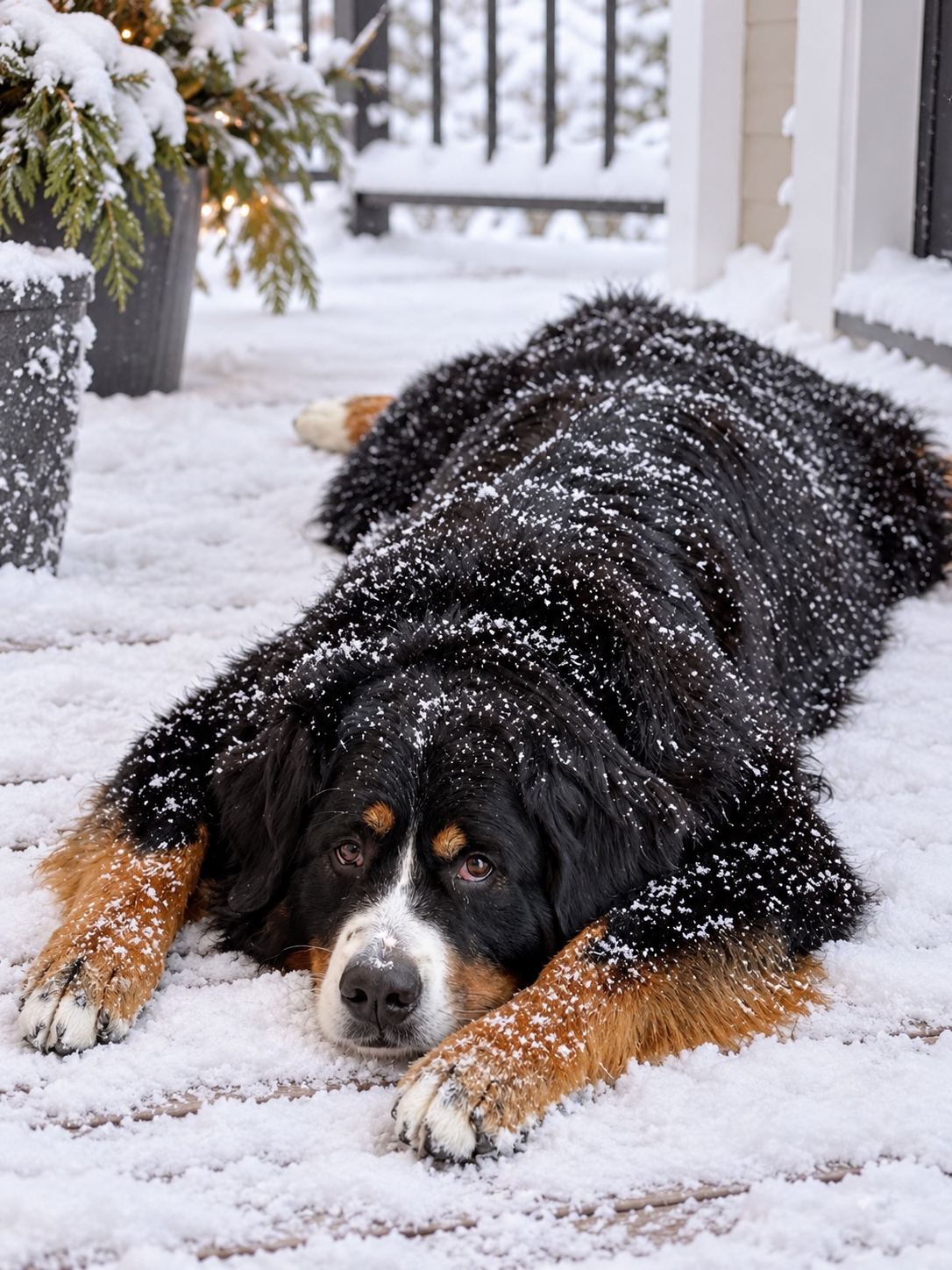
winter grooming myths: what your dog really needs
When a Wisconsin winter settles in, it’s easy to wonder whether your dog needs a different grooming routine. The answer depends on their coat, lifestyle, and comfort, not just the forecast. Here are a few common winter grooming myths worth rethinking.
myth 1: “it’s cold, so my dog doesn’t need a grooming until spring.”
Winter is no reason to skip grooming. Dogs with coats that keep growing still need regular brushing and haircuts to stay comfortable and mat-free. A longer coat could be a great winter choice- but only if it’s well maintained. Mats, however, hold on to moisture from snow and slush,
Double-coated dogs are different. Their coat is natural insulation, so they generally need brushing and deshedding rather than a shave-down. Dogs who spend most of their time indoors may also shed steadily all year. Heated homes and artificial light blur the seasonal cues that normally tell a coat when to shed, so winter can bring more loose undercoat than you’d expect. Regular brushing and deshedding appointments help keep it under control.
For any dog, the right length depends on coat type, home care, time spent outdoors, and what feels comfortable for that individual. Coats can also change with age, so the best length may shift over time.
myth 2: “dogs need long hair on their paw pads in winter.”
Hair that grows between and around the pads can collect snow and ice balls, which can be uncomfortable and slippery. A groomer can tidy that hair so it sits even with the pads.
After walks, check between your dog’s toes for ice, road salt, and grit. Wipe or rinse the paws, then dry them well. follow up with a nice paw balm.
Boots can help! dog booties come in all shapes and sizes, different materials, flexibility and different levels of adventure readiness
protip: practice boots indoors first. Treats, praise, a few steps at a time. By the first snowfall, they’ll be ready.
myth 4: “bathing my dog in winter will dry out their skin.”
Winter dryness is real, but regular baths usually aren’t the cause. Heated indoor air pulls moisture from skin and coat, and road salt, de-icers, and grime can irritate skin when they’re left sitting in the coat. Skipping baths often leads to more dirt and mats, not healthier skin.
The key is how the bath is done. A gentle, dog-appropriate shampoo, a moisturizing conditioner, and a thorough rinse help protect the skin and coat. Drying matters most in winter. A damp undercoat holds cold and can lead to mats, so make sure your dog is completely dry before heading outside. A humidifier at home can also help with indoor dryness.
If your dog has persistent flaking, itching, or redness, check in with your veterinarian, since those can point to issues beyond seasonal dryness.
protip: At home, always mist the coat with a brushing spray before you brush to cut down on static and breakage.